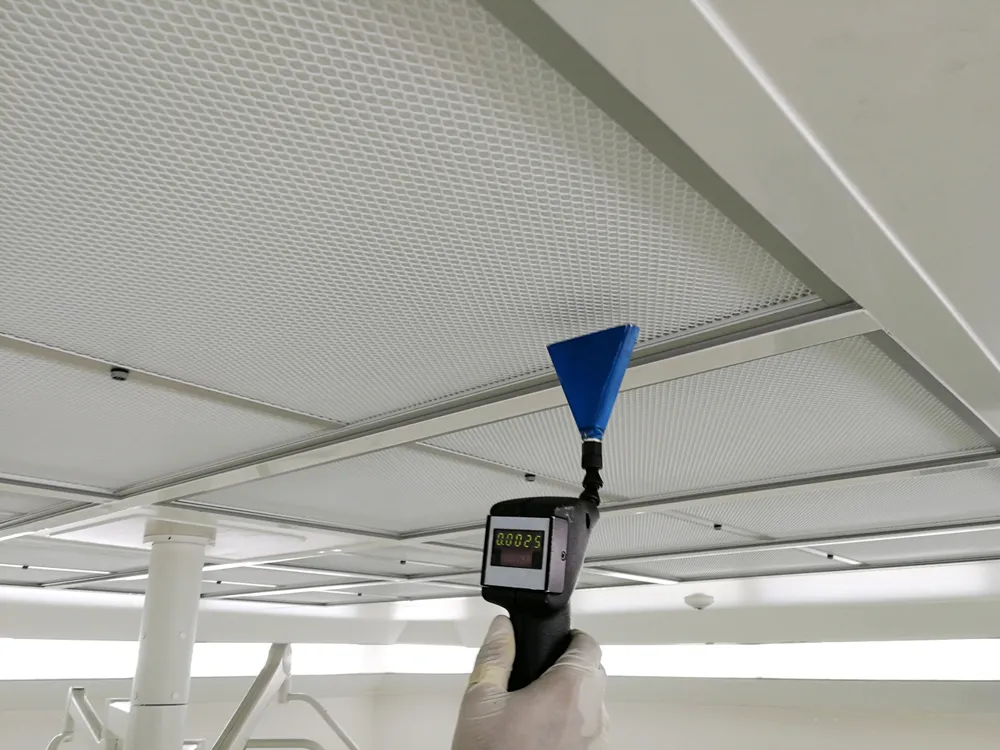
Comfortable indoor spaces depend on more than simply running a heating or cooling system. Equipment condition, insulation, ductwork, thermostat settings, and airflow can all influence how effectively a property maintains its desired temperature. Knight’s Castle Koolers provides HVAC solutions that address these connected factors while considering the needs of each building. Our approach begins with understanding the property’s comfort concerns and existing system performance. Careful planning helps identify suitable service options that support dependable operation and consistent indoor conditions.
Our services in Ridgeville, SC, include installation, replacement, repair, maintenance, and system diagnostics. Every recommendation is based on the equipment’s condition and the property’s requirements, helping support practical decisions about heating and cooling performance. We consider factors such as system capacity, airflow distribution, and the condition of essential components when evaluating service needs. This allows property owners to better understand the work required to address existing concerns. With attention to individual building requirements, our services support practical HVAC care throughout changing seasons.
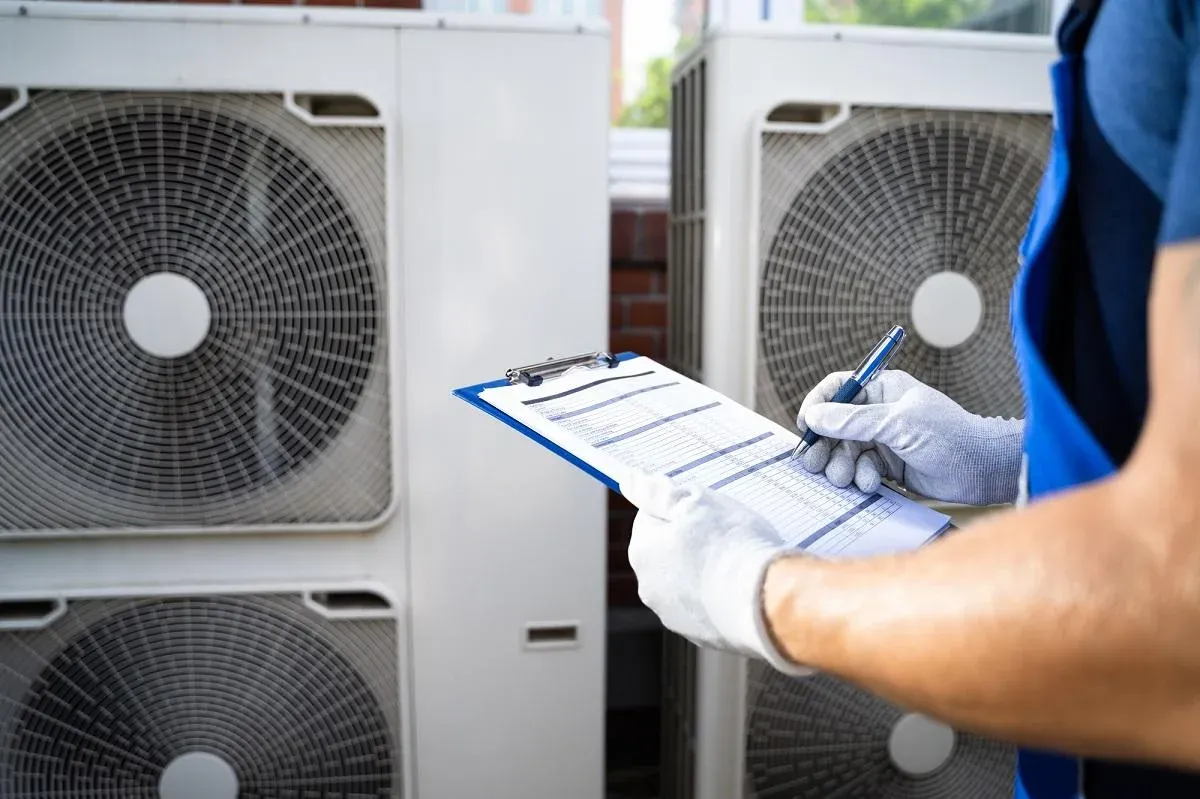
Each property has unique heating and cooling needs. Room layout, insulation, ceiling height, and equipment capacity affect indoor comfort and help determine suitable HVAC solutions.
Regular inspections and timely repairs help prevent equipment issues and maintain indoor comfort. Evaluating the HVAC system helps identify concerns affecting airflow, temperature control, and overall performance.
Comfortable indoor environments require heating and cooling equipment that responds effectively to changing weather and daily usage. Knight’s Castle Koolers considers the existing HVAC configuration, equipment condition, airflow requirements, and indoor temperature expectations before recommending a service. Understanding how the system operates helps establish appropriate priorities and address concerns that may affect more than one component.
Our technicians evaluate system age, equipment condition, airflow, and reported performance concerns before recommending suitable HVAC solutions. This assessment helps identify issues that may affect temperature consistency, energy use, or overall system operation. Depending on the findings, a property may benefit from targeted repairs, routine maintenance, or a more extensive equipment upgrade. We consider the existing system and the property’s heating and cooling requirements when outlining practical service options. This careful approach helps Ridgeville property owners make informed decisions about maintaining reliable HVAC performance throughout the year.
Selecting an HVAC system involves more than comparing equipment sizes. Cooling and heating capacity, available installation space, distribution methods, and expected usage all contribute to the decision. These considerations help determine which system type may suit the property.
Uneven temperatures between rooms may be associated with duct restrictions, system sizing, insulation gaps, or airflow distribution. Evaluating these factors can help identify areas that may benefit from adjustments, repairs, or further inspection.
Residential and commercial properties may have different operating schedules, occupancy levels, and temperature requirements. Service planning accounts for these differences to support suitable heating, cooling, and ventilation performance.
Scheduled maintenance provides an opportunity to review equipment condition, inspect accessible components, check system operation, and identify developing concerns. The specific tasks depend on the type of HVAC equipment and its maintenance requirements.
Weak airflow, unusual sounds, inconsistent temperatures, and unexpected system shutdowns can indicate HVAC problems. A careful assessment helps determine the likely cause and whether a component repair, adjustment, or additional diagnostic work is appropriate.
Ductwork carries conditioned air throughout a building, making its condition important to overall system performance. Leaks, damaged sections, loose connections, and obstructions may affect airflow. Inspection can help identify issues that warrant sealing, repair, replacement, or further evaluation.
Indoor air conditions can be affected by filtration, ventilation, moisture levels, and airborne particles. HVAC-related solutions may include filter improvements, air purification options, humidity control, and ventilation assessments based on the property's circumstances.