
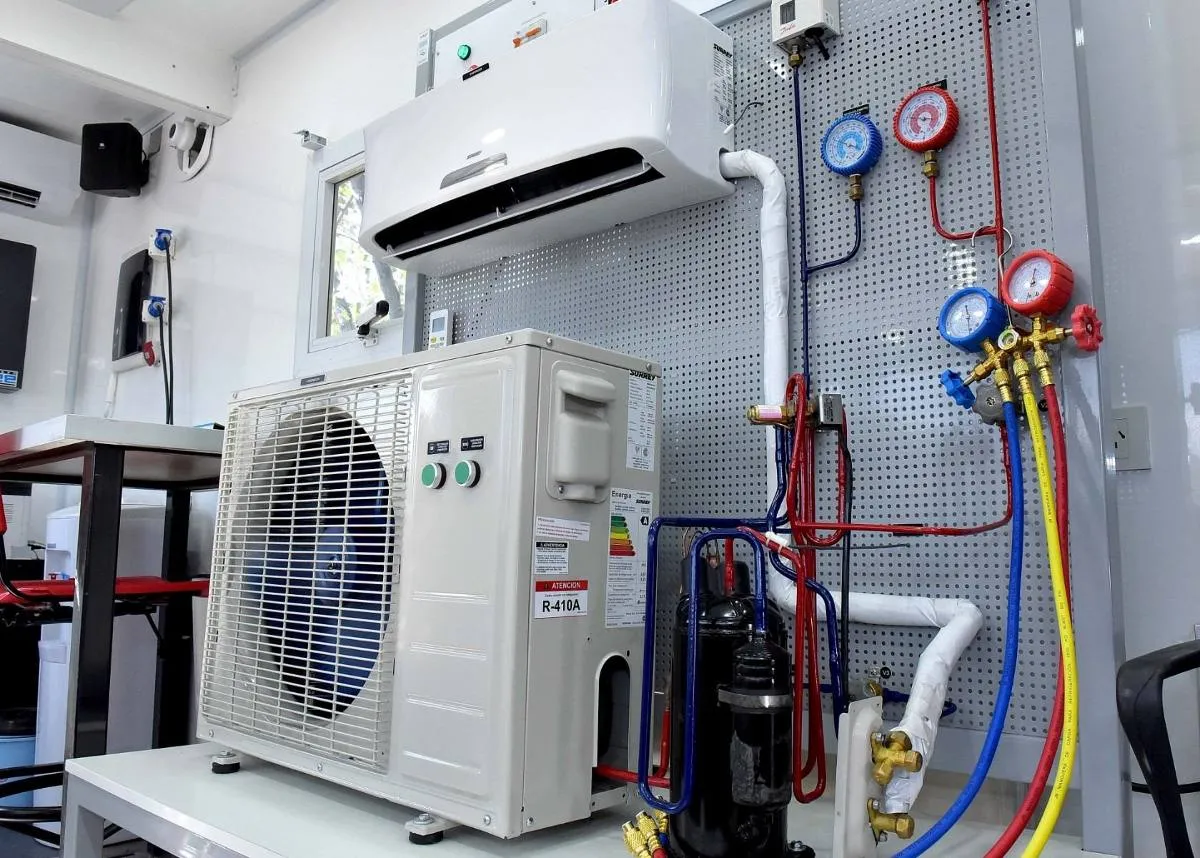
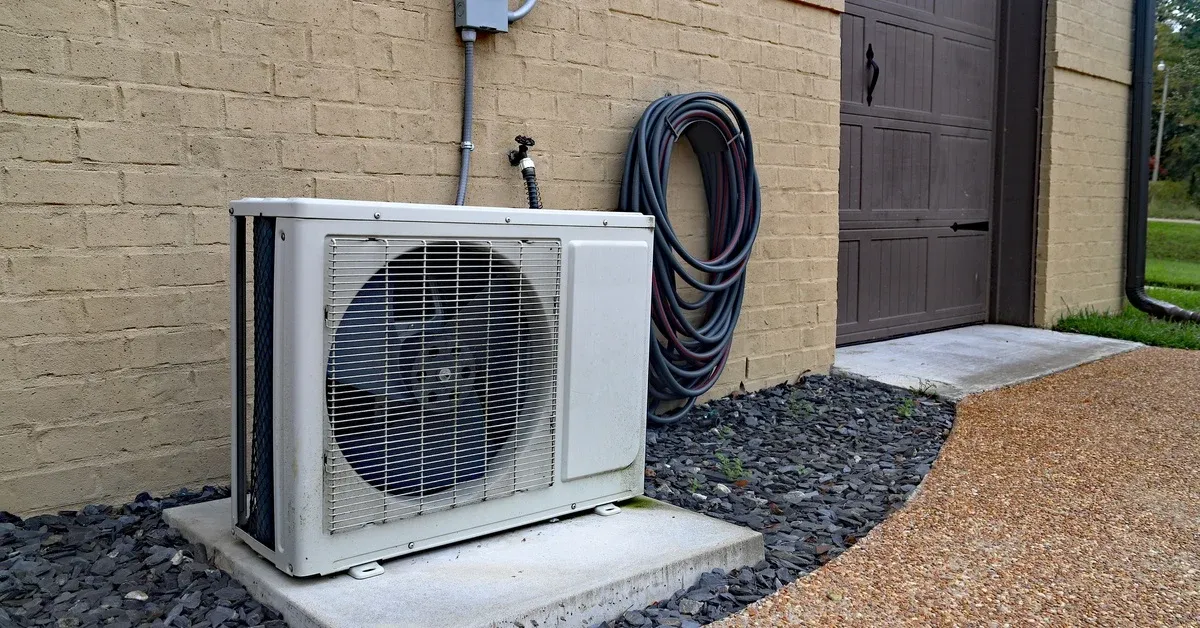
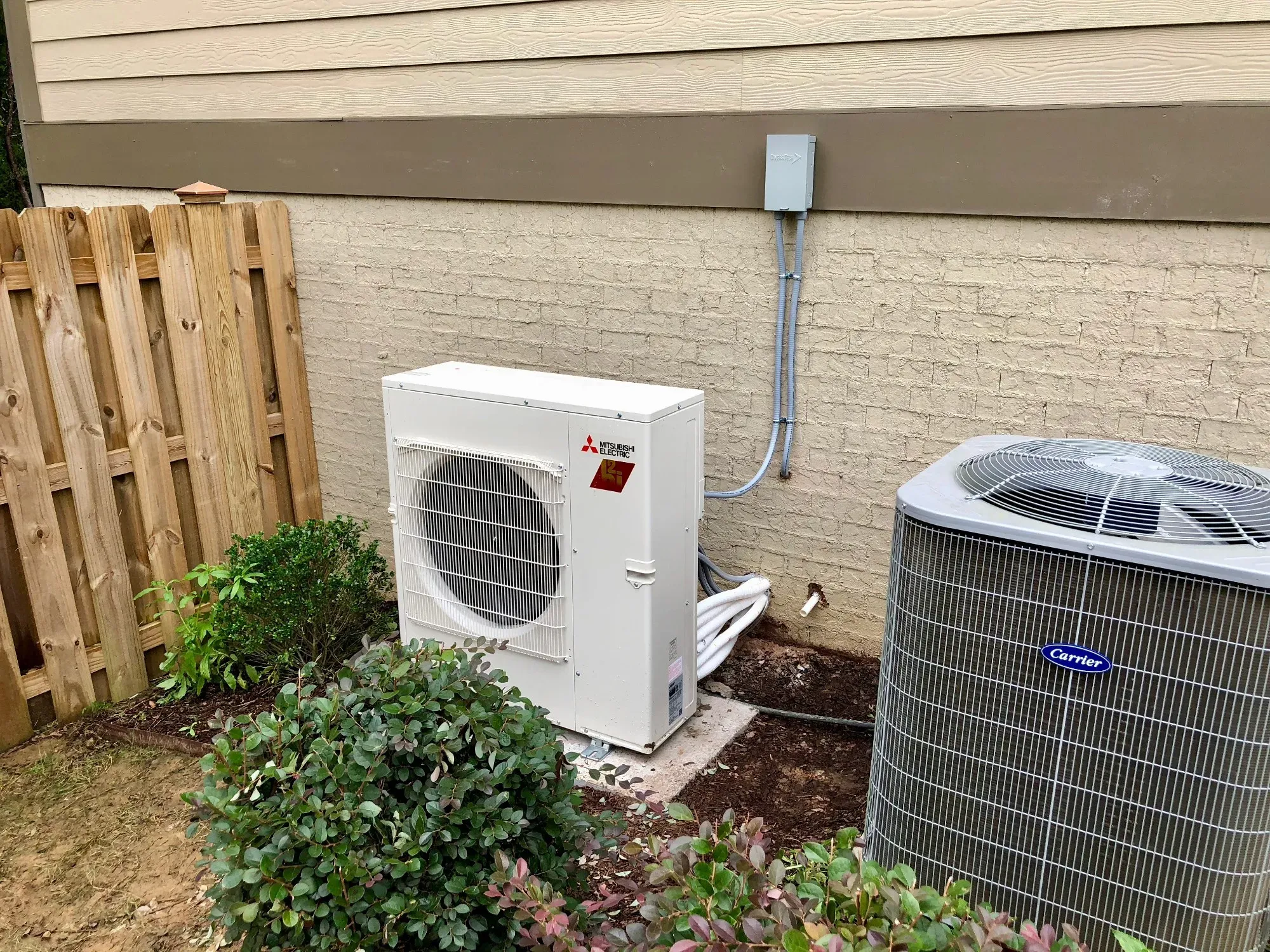
Ductless mini-split systems provide a flexible approach to heating and cooling without relying on traditional ductwork throughout the property. These systems use an outdoor condenser connected to one or more indoor air-handling units, allowing conditioned air to be delivered directly into individual rooms or designated zones. For properties in Summerville, SC, ductless technology can be useful for additions, converted spaces, rooms with limited duct access, and areas that require more independent temperature control. System design, unit placement, capacity, airflow, filtration, and zoning all influence how effectively a ductless mini-split services in Summerville, SC performs.
Ductless mini-split services in Summerville, SC provide heating and cooling directly to selected rooms or zones without requiring a traditional duct network. An indoor unit connects to an outdoor condenser through a small line set, making this configuration a practical option for spaces where extending or installing ductwork may be difficult, costly, or unnecessary.
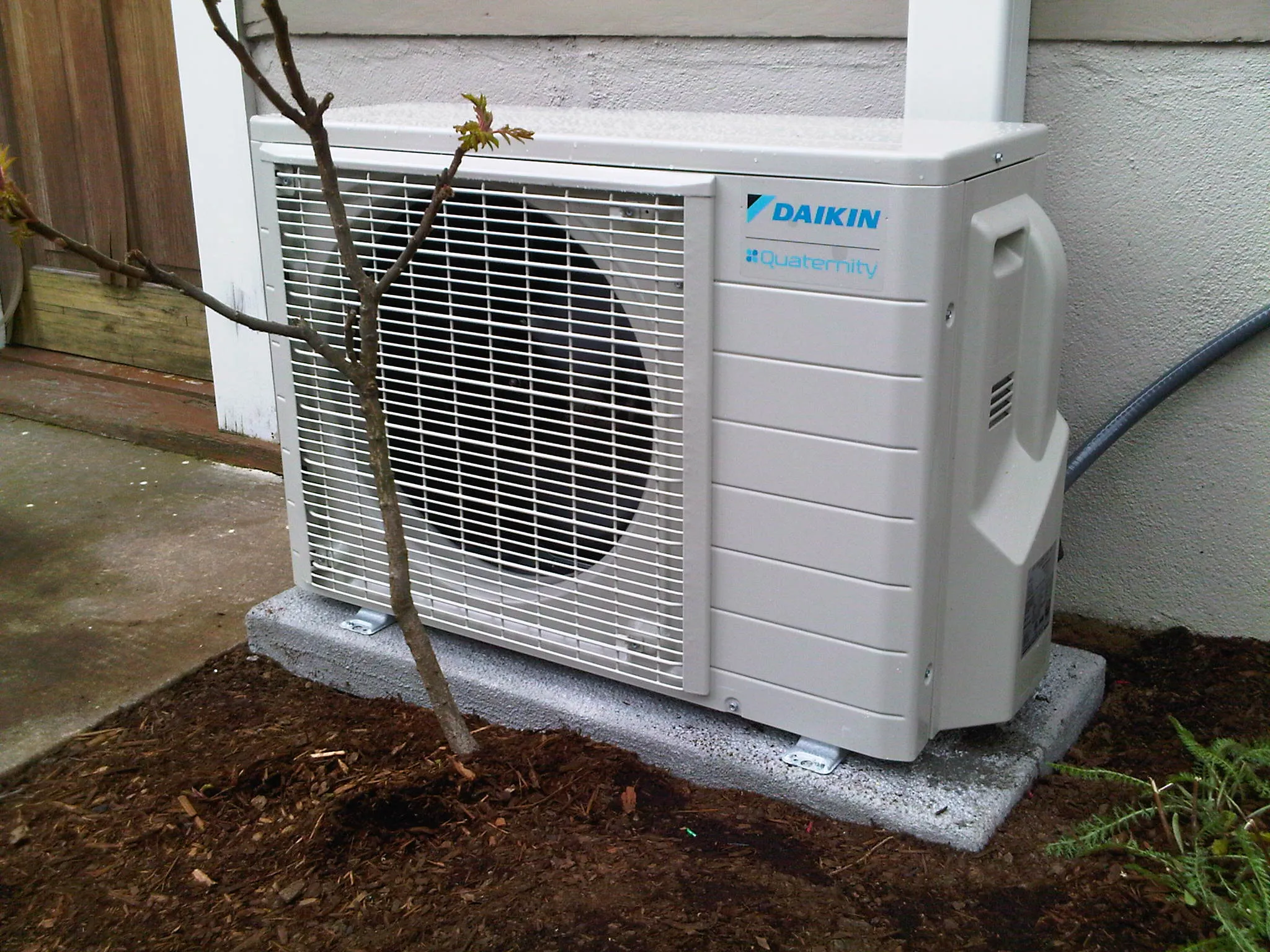
Ductless systems can provide heating and cooling directly to selected rooms, making them useful for spaces with different comfort requirements from the rest of the property.
Individual indoor units can support zone-based temperature adjustments, helping occupants manage comfort according to room use and daily activity.
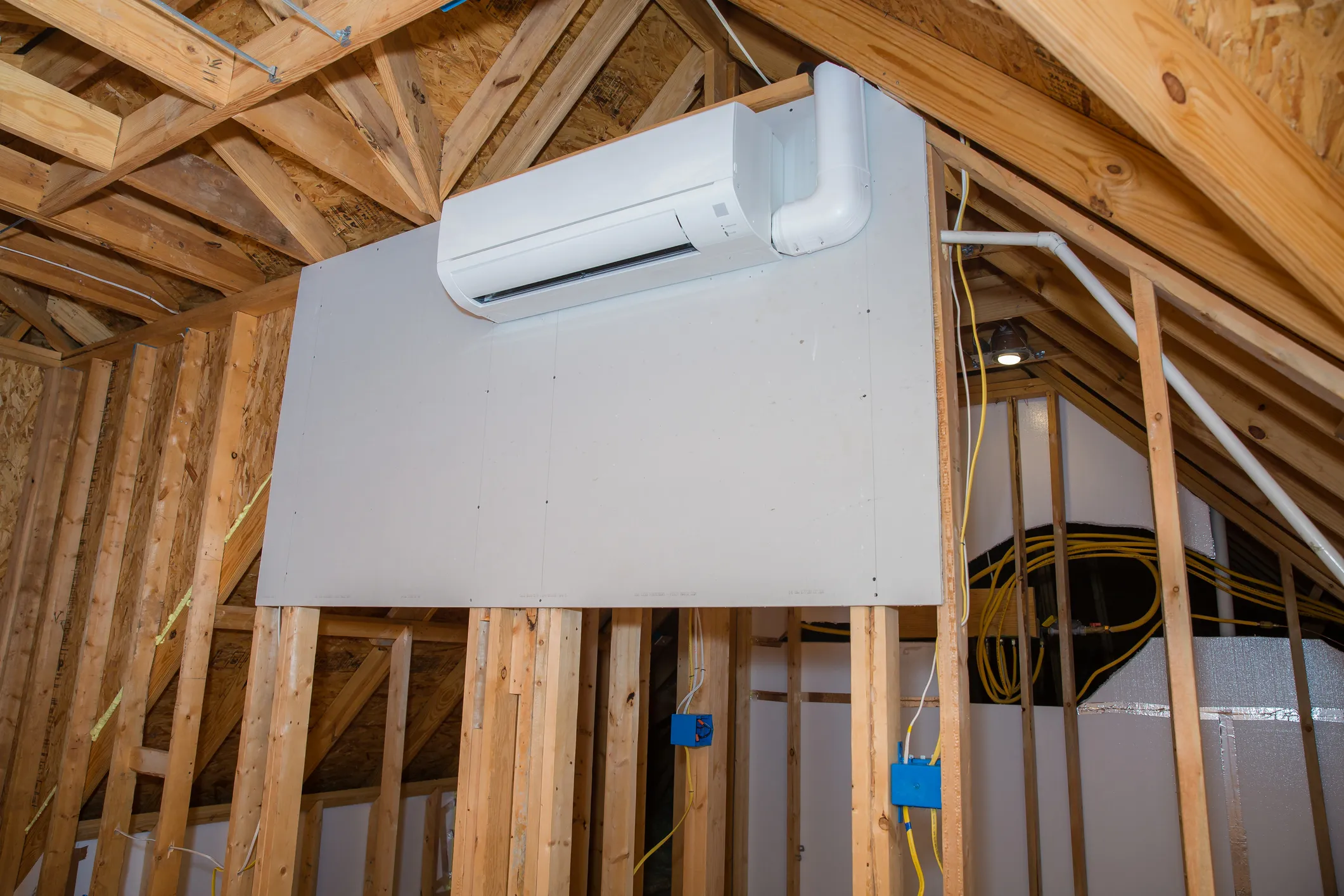
Indoor units can be positioned according to room layout, airflow requirements, wall configuration, and connection requirements between indoor and outdoor equipment.
Ductless equipment can serve spaces where extending or modifying traditional ductwork would be difficult because of construction, layout, or limited access.
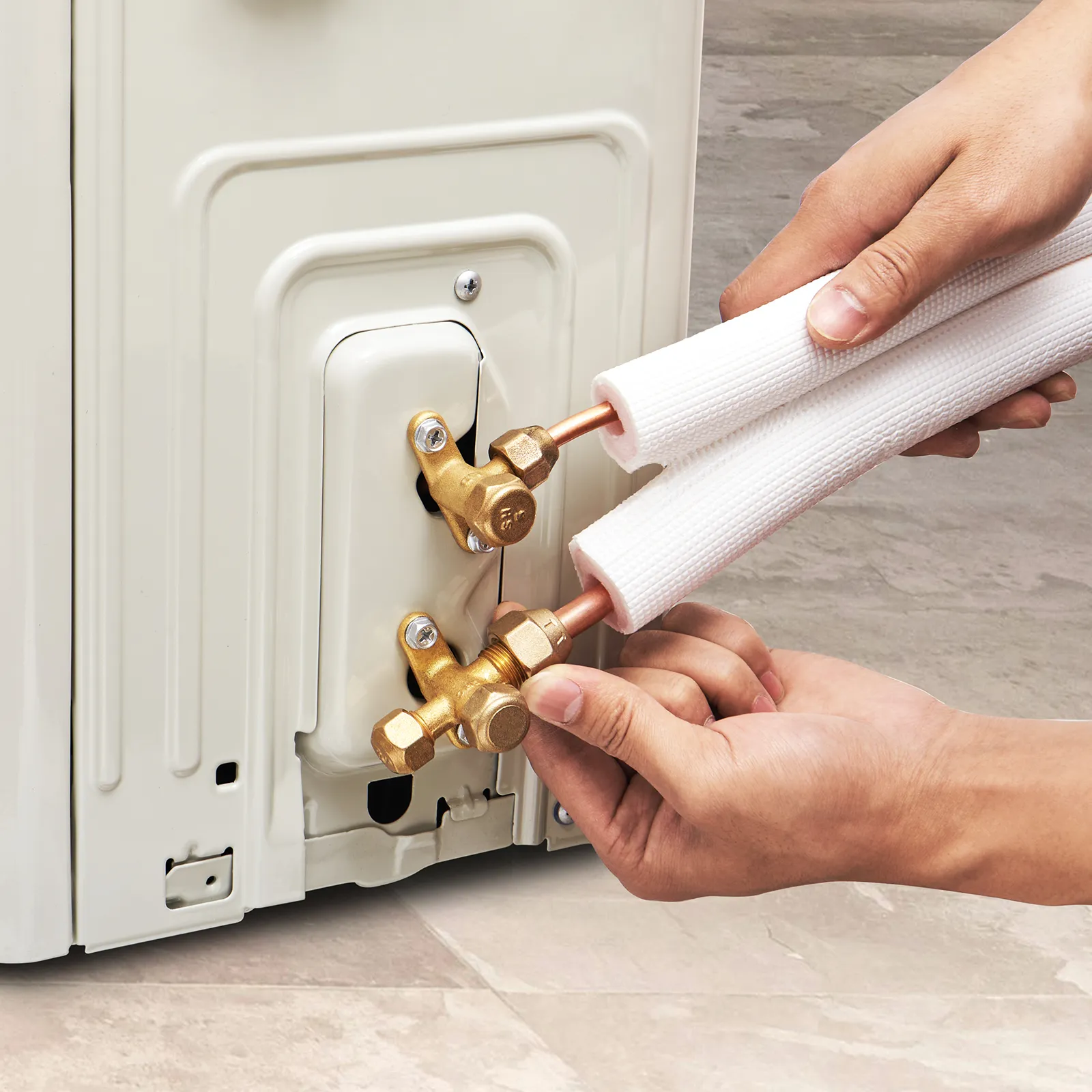
Professional installation involves selecting suitable equipment, determining appropriate indoor unit placement, evaluating room requirements, and establishing the necessary connection between indoor and outdoor components. Proper system sizing and configuration help support consistent heating and cooling across the intended zone.
Older or deteriorating ductless equipment may experience reduced performance, inconsistent temperature control, unusual operation, or repeated service requirements. Replacement planning considers the existing setup, room requirements, equipment capacity, indoor unit placement, and overall system configuration.
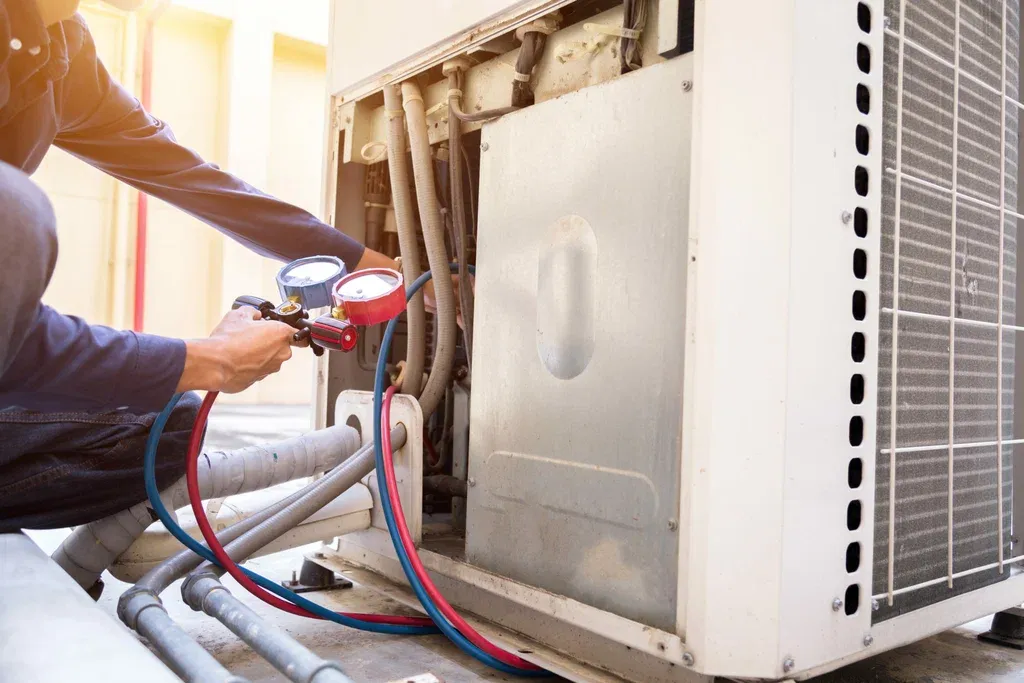
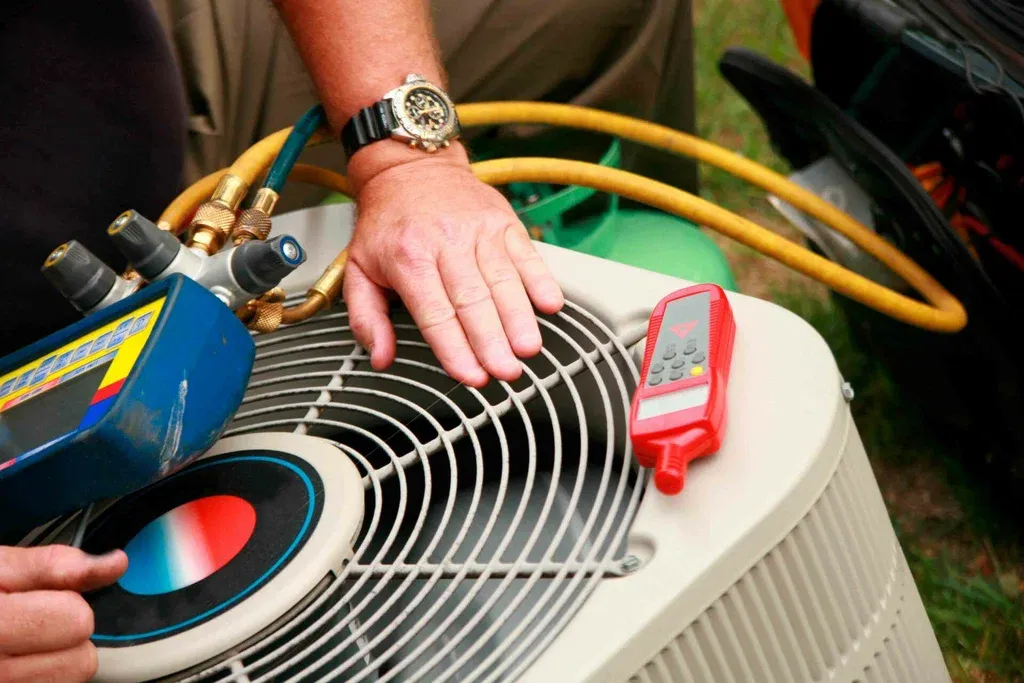
A ductless system may require service when it produces inconsistent temperatures, weak airflow, unusual sounds, drainage concerns, control problems, or other operating issues. Diagnostic evaluation can examine indoor units, outdoor equipment, airflow, controls, connections, and other system components.
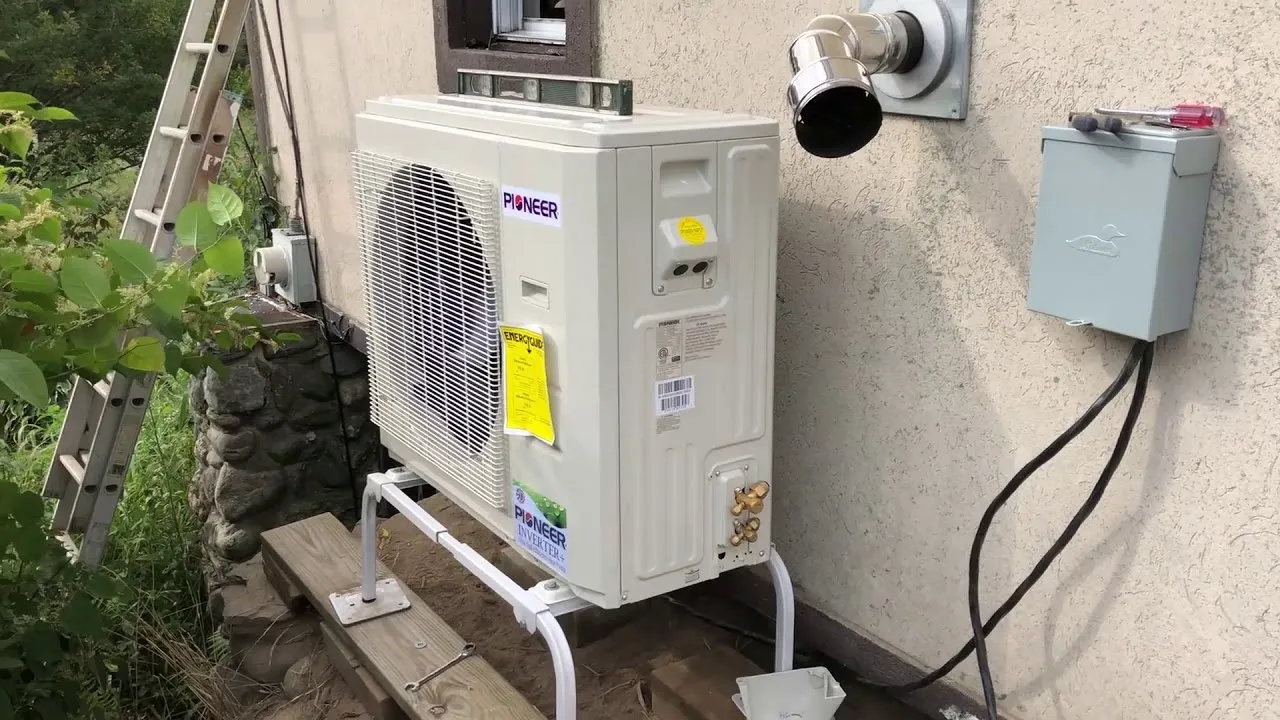
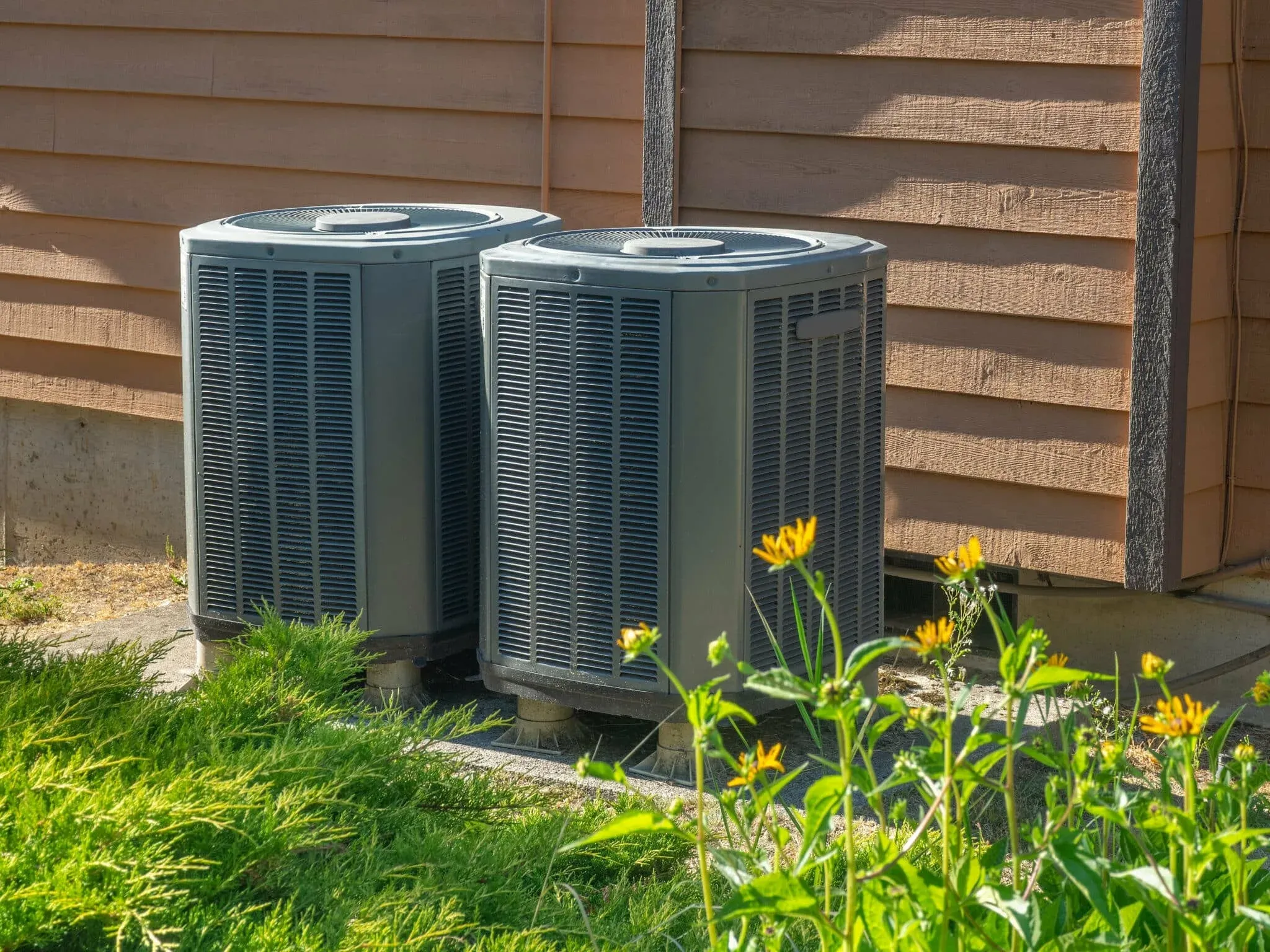
Ductless mini-splits can be suitable for homes and individual spaces where targeted heating and cooling is desired. Their application depends on room size, layout, insulation, equipment capacity, and the property's existing HVAC configuration. A professional evaluation can help determine an appropriate setup.
Yes, ductless systems can provide zone-based temperature control for individual rooms. A single-zone configuration can serve one area, while a multi-zone system can connect several indoor units to a compatible outdoor condenser. Proper sizing and placement remain important for effective operation.
Ductless mini-splits can be a practical option for room additions when extending the existing duct network is difficult or unsuitable. The system can provide dedicated heating and cooling to the added space without requiring a traditional duct extension throughout the area.
Multi-zone systems use multiple indoor units connected to a compatible outdoor unit. Each indoor unit serves its designated area and can provide more independent temperature control. The overall system should be properly configured to match the number of zones and their heating and cooling requirements.
Yes, indoor ductless units typically include filters that collect airborne particles before air is circulated through the room. Filter condition can affect airflow and system operation, so regular inspection and appropriate cleaning or replacement are important according to the equipment requirements.
In some properties, ductless equipment can serve as the primary heating and cooling solution, while in others it may be used for specific zones or rooms. The appropriate application depends on the property's layout, existing HVAC system, heating and cooling demands, and desired zoning strategy.
Uneven temperatures, weak airflow, unusual sounds, drainage concerns, control issues, or inconsistent heating and cooling can indicate that a ductless system requires evaluation. Equipment condition, filters, airflow, connections, controls, and other components can be reviewed to identify potential service requirements.